New Construction vs. New Build Community in Denver: What Buyers Need to Know
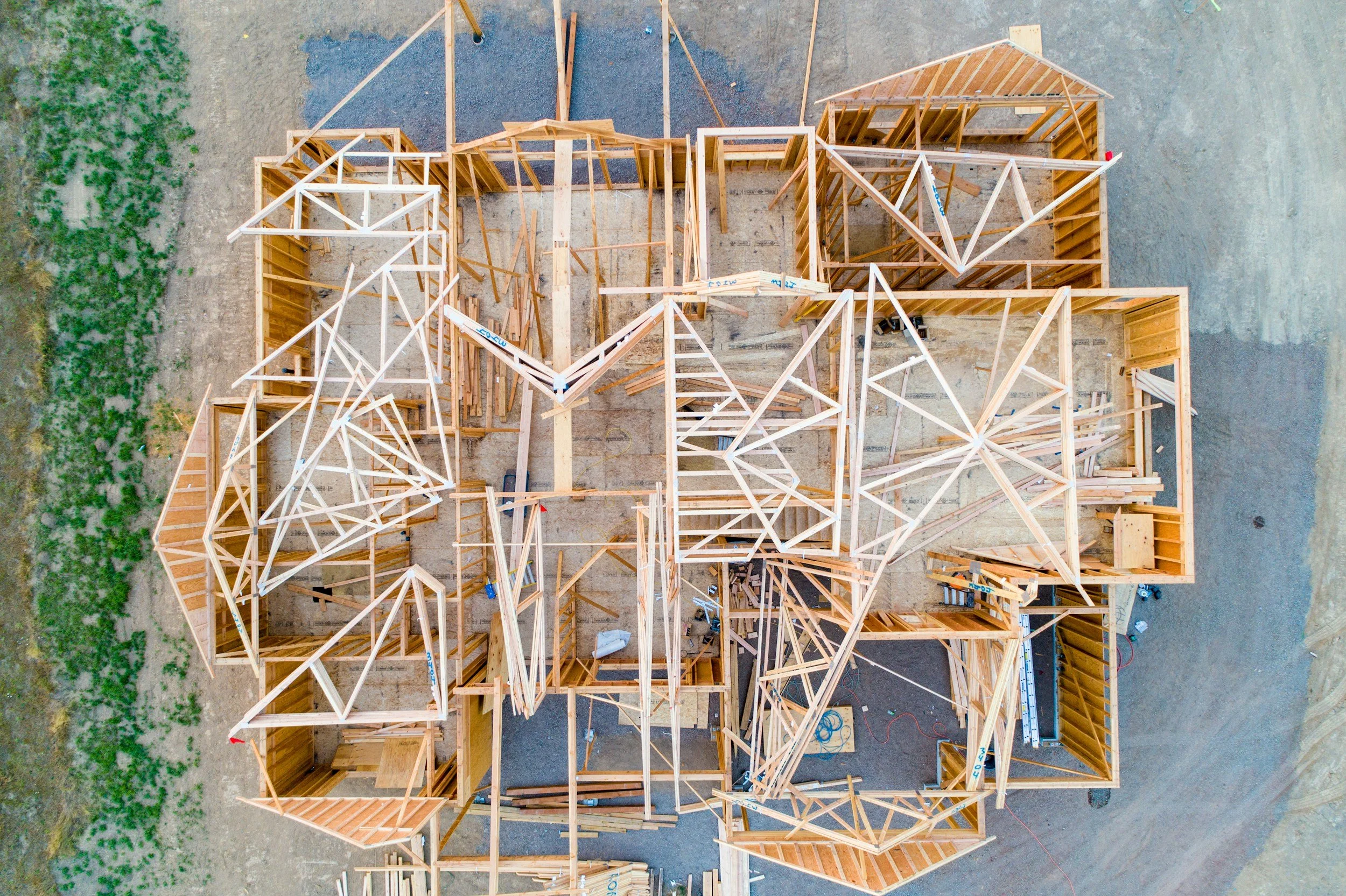
If you are searching for a brand-new home in Denver, Lakewood, Littleton, or surrounding Colorado areas, you have likely seen the terms “new construction” and “new build community” used interchangeably.
They are not the same.
Understanding the difference between new construction homes and new build communities can directly impact your appreciation potential, resale value, property taxes, and long-term wealth strategy.
Whether you are a first-time home buyer in Denver or planning your next move, here is what you should understand before signing with a builder.
What Is a New Construction Home?
New construction typically refers to a newly built home located within an established neighborhood.
In the Denver real estate market, this often includes a teardown where an older home was replaced with a modern build, an infill duplex or single-family home in a mature neighborhood, or a custom home built on an existing lot.
You will commonly find new construction homes in established areas such as Sloan’s Lake, Berkeley, Platt Park, Wash Park, Edgewater, and parts of Lakewood.
The key factor is that the neighborhood already exists. There is historical appreciation data. There are resale comparables. Inventory is limited.
That predictability matters when evaluating long-term value.
What Is a New Build Community?
A new build community is a large-scale residential development built in phases by one or more builders.
These developments often include model homes and design centers, multiple floorplan options, builder-controlled pricing, HOA structures, metro districts, and ongoing construction for several years.
New build communities are common in expanding areas around Denver, including parts of Arvada, Erie, Castle Rock, and newer suburban corridors throughout Colorado.
The defining characteristic is that the entire neighborhood is being developed from scratch.
How Appreciation Works Differently
One of the most important differences between new construction and a new build community is how appreciation functions over time.
In established Denver neighborhoods, appreciation tends to be more predictable because inventory is fixed and resale comparables are consistent.
In a new build community, pricing is controlled by the builder. Homes are released in phases, and prices may shift depending on market conditions.
If the market changes, builders may offer price reductions, closing cost incentives, or interest rate buydowns in later phases.
If you purchase in an earlier phase and incentives are introduced later, that can influence short-term resale value.
For first-time home buyers in Denver planning to move within three to five years, this distinction is significant.
Resale Competition and Market Positioning
When you purchase new construction in an established neighborhood, your future resale competition will primarily be other homeowners.
When you purchase in a new build community, your resale competition may include the builder for years.
Buyers comparing your home may choose a brand-new unit with incentives, preferred lender financing, or included upgrades.
This dynamic can influence days on market and negotiation leverage, especially in slower real estate cycles.
Metro District Taxes and Long-Term Costs in Colorado
Many new build communities in Colorado operate within metro districts or carry higher HOA fees.
Metro district property taxes can significantly increase your total monthly housing cost.
First-time buyers often focus on the mortgage payment without fully evaluating metro district tax rates, HOA dues, and potential long-term cost increases.
Established neighborhoods in Denver, Lakewood, and Littleton may have lower tax structures or no HOA at all.
If you plan to convert the home into a rental property in the future, these ongoing costs directly impact long-term cash flow.
Lifestyle Decision Versus Long-Term Strategy
For some buyers, a new build community is the right choice. Brand-new systems, warranties, low maintenance, and modern layouts offer convenience and simplicity.
If this is a long-term home and lifestyle alignment is the priority, a new build community may make sense.
For buyers focused on building equity strategically, particularly first-time home buyers in Denver who may plan to move up in a few years, new construction in an established neighborhood often provides stronger historical appreciation patterns and greater resale flexibility.
There is no universal answer. The right choice depends on your timeline, financial goals, and long-term planning.
Planning Before You Sign With a Builder
Builder representatives work for the builder. Their responsibility is to sell inventory within that development.
Before signing a contract for a new build home in Denver or surrounding areas, it is valuable to review resale data, analyze metro district impacts, and evaluate long-term appreciation trends.
Real estate decisions are not just about today’s payment. They are about positioning yourself for future opportunity.
If you are considering new construction or a new build community in Denver, Lakewood, Littleton, or anywhere in Colorado, starting with a strategic conversation can help you align your purchase with your long-term financial goals.
Real estate is not about chasing what looks new. It is about making decisions that support your future.