The Denver Neighborhoods I'm Watching Closely in 2026
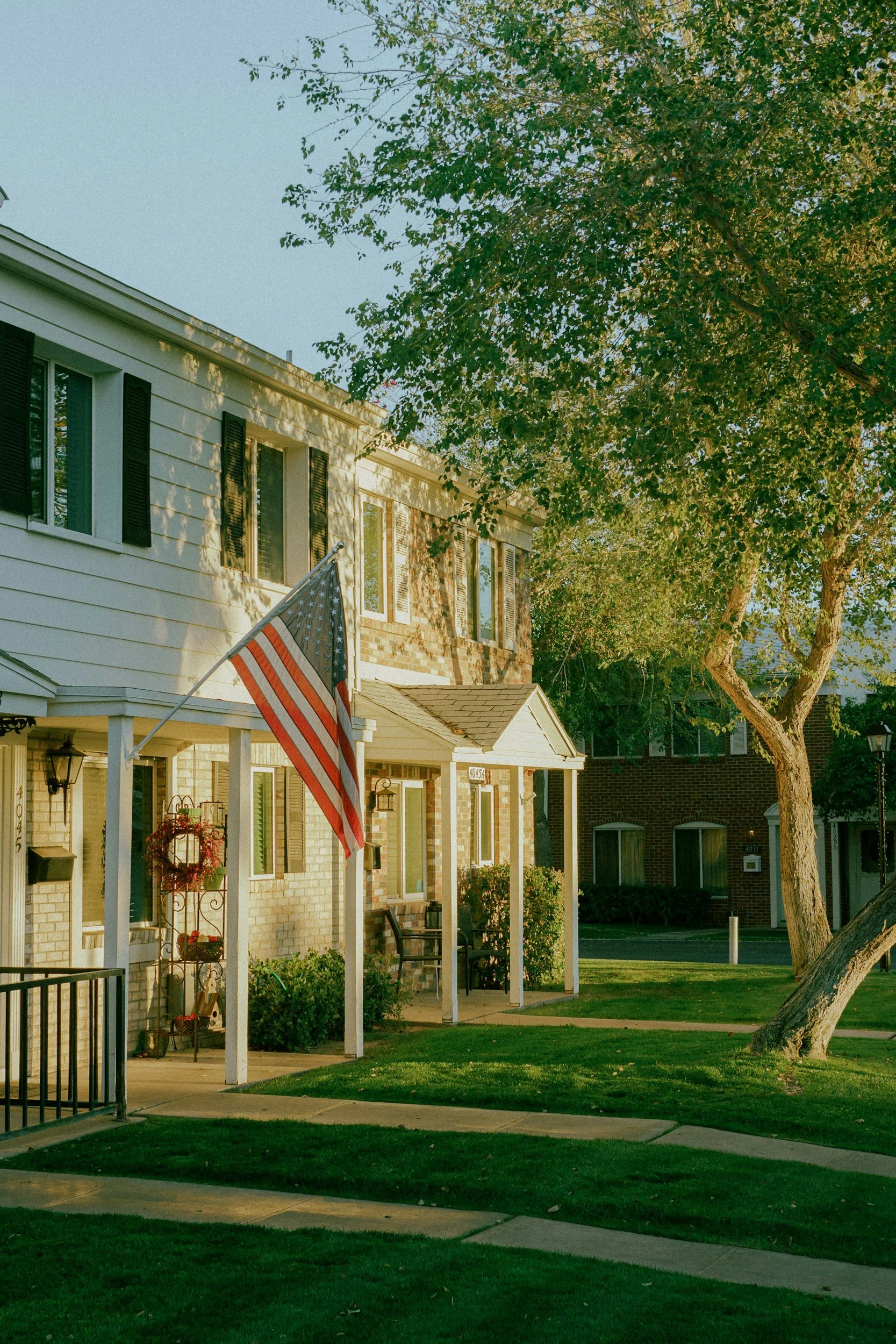
Looking to buy, invest, or relocate in Denver? Here are the Denver neighborhoods I'm watching closely in 2026 and why they stand out in today's market.
When people ask me where they should buy in Denver, my answer is usually the same: it depends.
Every buyer has different goals, budgets, and lifestyle preferences. Some want walkability. Some want more space. Some are focused on schools, while others are looking for investment potential or proximity to downtown.
What I find interesting is that the neighborhoods generating the most conversation aren't always the ones making headlines.
As a real estate agent, I spend a lot of time touring homes, watching development projects, talking with other agents, and paying attention to where buyers are choosing to spend their time and money. While no one can predict the future, there are a handful of Denver neighborhoods that continue to catch my attention because of the changes happening around them.
These aren't necessarily the "best" neighborhoods, and this isn't a prediction of future property values. Instead, these are areas I'm watching closely because of the development, investment, infrastructure improvements, and buyer interest I'm seeing today.
Why Neighborhood Trends Matter More Than Headlines
One of the biggest mistakes people make when evaluating real estate is focusing only on national headlines.
Real estate is incredibly local.
The housing market in one Denver neighborhood can look very different from another neighborhood just a few miles away. That's why I encourage buyers and sellers to pay attention not only to home prices but also to what is happening around those homes.
New developments, infrastructure improvements, retail growth, transportation access, and community investment can all influence how a neighborhood evolves over time.
When I evaluate an area, I'm not just looking at homes. I'm looking at what the neighborhood may look like five or ten years from now.
West Colfax
West Colfax continues to be one of the areas I find most interesting in Denver.
Located just west of downtown, the neighborhood offers a combination of established housing, local businesses, public transportation access, and ongoing redevelopment. The area benefits from its proximity to Sloan's Lake, the light rail system, and downtown employment centers.
What stands out to me is the continued investment happening along the Colfax corridor. New restaurants, mixed-use projects, and local business growth have continued to reshape parts of the neighborhood while still maintaining much of its character.
For buyers looking for a location that offers urban convenience without being directly in the center of downtown, West Colfax remains an area worth paying attention to.
Sun Valley
Sun Valley has been undergoing one of the most significant redevelopment efforts in the Denver metro area.
Historically one of Denver's smaller neighborhoods, Sun Valley is being transformed through a large-scale redevelopment plan that includes housing, public spaces, recreational facilities, and infrastructure improvements.
The neighborhood's location near downtown Denver, Empower Field, and major transportation routes makes it particularly interesting from a long-term planning perspective.
While redevelopment takes time, it's difficult to ignore the amount of investment currently flowing into this area.
Whenever I see this level of coordinated public and private investment, I pay attention.
Globeville
Globeville is another neighborhood that continues to generate interest as Denver grows and evolves.
Located north of downtown, Globeville benefits from its proximity to major transportation corridors and several large redevelopment projects, including the National Western Center transformation.
The National Western Center project represents a significant investment in education, agriculture, research, and community development that could influence surrounding areas for years to come.
What I find interesting about Globeville is the combination of historic character and ongoing change. It remains one of the neighborhoods where conversations about growth, redevelopment, and community identity are happening simultaneously.
Sloan's Lake
Sloan's Lake has already established itself as one of Denver's most desirable neighborhoods, but it continues to evolve.
The combination of outdoor recreation, walkability, local restaurants, and proximity to downtown continues to attract buyers from a variety of backgrounds.
The lake itself creates a lifestyle component that is difficult to replicate elsewhere in the city. Whether it's walking, running, biking, or simply enjoying the views, the park remains one of Denver's most popular outdoor destinations.
What I'm watching closely isn't necessarily the neighborhood's popularity. It's how continued development around the area balances growth while maintaining the features that made people want to live there in the first place.
RiNo and Five Points
RiNo and Five Points continue to be two of the most dynamic areas in Denver.
Known for their restaurants, breweries, art, entertainment, and employment opportunities, these neighborhoods have experienced significant transformation over the past decade.
What keeps them on my watch list is that the growth hasn't stopped.
Office projects, residential development, hospitality investments, and public infrastructure improvements continue to shape these neighborhoods. The nearby River Mile development may also influence how people move throughout the broader downtown area in the years ahead.
As Denver continues to grow, these neighborhoods remain central to many conversations about housing, business development, and urban living.
What I Look For When Evaluating Neighborhood Growth
People often ask me how I identify neighborhoods worth paying attention to.
The answer usually has less to do with current home prices and more to do with what is happening around those homes.
I pay attention to development applications, infrastructure projects, transportation improvements, retail investment, public space enhancements, and buyer behavior.
I also spend a lot of time touring homes and listening to what buyers are actually looking for.
When multiple trends start pointing in the same direction, it often tells an interesting story about where a neighborhood may be headed.
That doesn't guarantee appreciation or future performance, but it does provide valuable context.
Final Thoughts
Denver continues to change, and that's one of the things I enjoy most about working in real estate.
Every neighborhood has its own personality, strengths, challenges, and opportunities. The areas I'm watching today may not be the same neighborhoods I'm talking about five years from now, and that's part of what makes local real estate so interesting.
Whether you're buying your first home, relocating to Denver, investing in property, or simply curious about how the city is evolving, understanding neighborhood trends can provide valuable insight beyond what you'll find in market headlines.
The neighborhoods above aren't recommendations or predictions. They're simply areas where I'm seeing activity, investment, development, and conversations that make me want to keep paying attention.
If you're considering buying or selling in Denver and want to talk about specific neighborhoods, I'd be happy to share what I'm seeing on the ground and help you better understand your options.
Carly Sellaro | The Aspen Collection